
The Energy kit, explained
Solar, Batteries, Heat Pumps and EV chargers: how each works, where it goes wrong, and what a good installation looks like.
Whether you're training to install it or deciding whether to buy it, it pays to know the kit. Every one of these can be a good investment, installed well. Every one of them can disappoint if the survey, the design or the handover is rushed. Here is how each works, where it tends to go wrong, and what a good installer does.
Got a quote already? SavingEnergy.com checks Energy quotes for free: an Engineer reads it and gives you a plain report, green, amber or red, with the questions to ask before you sign.
Solar panels (PV)
How it works
Solar panels turn daylight into direct current (DC) electricity. An inverter converts it to alternating current (AC) for your home, and anything you don't use at the time goes to a Battery, if you have one, or out to the grid. Output depends on which way the roof faces, its pitch, shading and the season: far more in summer than in winter.
Where it goes wrong
- Shading from chimneys, trees or neighbouring buildings not properly surveyed
- Savings worked out on optimistic assumptions about how much you use and when
- Roof fixings or waterproofing not done to a good standard
- Isolation switches, labels or paperwork missing at handover
What good looks like
- A site survey that looks at shading, the roof structure and your actual usage
- A written generation estimate, with its assumptions stated
- Electrical test results and certificates, handed over with a clear handover pack
- Labelled isolation, so anyone working on it later can make it safe
Home Batteries
How it works
A home Battery stores electricity to use later: Solar you generated in the day, or cheaper electricity from an off-peak Tariff. Two things matter more than the headline size: the usable capacity (not every kilowatt-hour on the label can be used) and how its savings depend on your Tariff and your habits.
Where it goes wrong
- Sized from a sales sheet, not from your actual usage
- Savings that only work on one Tariff, without saying so
- Located without enough thought for heat, ventilation and fire separation
- Warranty terms (years and cycles) not explained
What good looks like
- Sizing from your real usage data, with the reasoning written down
- The Tariff assumptions behind any savings figure, stated plainly
- A location chosen with heat, access and fire safety explained
- A commissioning record and clear warranty terms
Heat Pumps
How it works
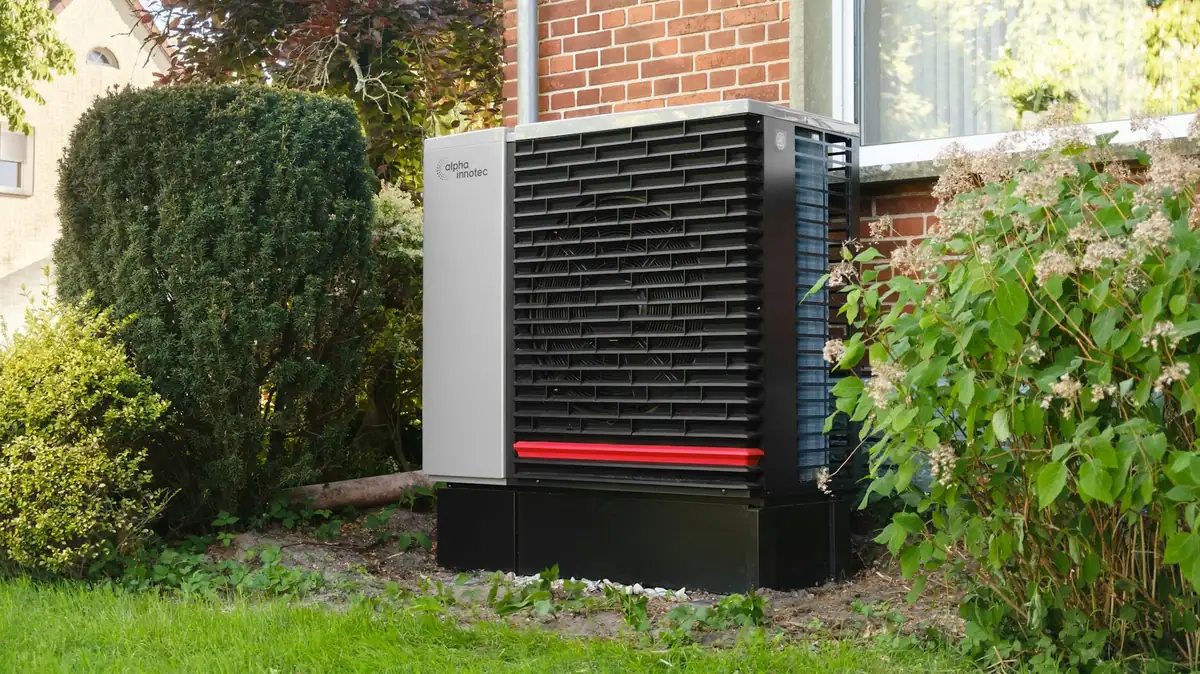
A Heat Pump moves heat rather than making it: it uses electricity to drive a refrigerant cycle that pulls heat from the outside air (or the ground) and delivers it into your heating and hot water. It is most efficient at low flow temperatures, which is why the size of your radiators and how well the house holds its heat matter so much.
Where it goes wrong
- No proper heat-loss calculation, so the unit is too big or too small
- Radiators too small to heat the house at a low flow temperature
- The unit sited where noise or airflow becomes a problem
- Controls set up like an old Boiler, so it runs inefficiently
What good looks like
- A room-by-room heat-loss calculation, shared with you
- A check of every radiator against the design flow temperature
- Siting and noise considered and explained
- Commissioning, and a proper explanation of the controls before the installer leaves
EV chargers
How it works
A home charger supplies AC electricity to the car, and the car's own on-board charger turns it into DC for the Battery. The charger is the easy part; what matters is whether your electricity supply can take the extra load, and whether the earthing and protection are right.
Where it goes wrong
- Supply capacity not checked, especially in homes that already have a Heat Pump or electric cooking
- Earthing and protection arrangements not properly assessed
- Smart features and Tariff savings promised without the details
- Cable routes and charger position not thought through
What good looks like
- A survey of your supply, and load management fitted if it's needed
- Correct protection, with test results and a certificate
- Any notifications the work requires handled by the installer
- The smart features and Tariff options explained honestly
Before you sign anything
- Get more than one quote, and compare what's included, not just the price.
- Ask for the survey, the design assumptions and the certificates in writing.
- Check what happens at handover, and who you call if something goes wrong.
- If anything in the quote doesn't make sense, have it checked for free.
Want to install it?
Heat Pump and heating installers and electricians are among the roles the UK needs most. See Net Zero jobs in demand and the ways in.
Written by Darren Emery M.Sc., Senior Instrument Engineer and Technical Authority. Facts last checked 14 October 2026.
A question we haven't answered?
Email darren@savingenergy.com. A person reads every message: Darren.