
Moving into Energy
For engineers and technicians from process plant, oil and gas, steel and chemicals: what you bring, what's different, and how to make the move.
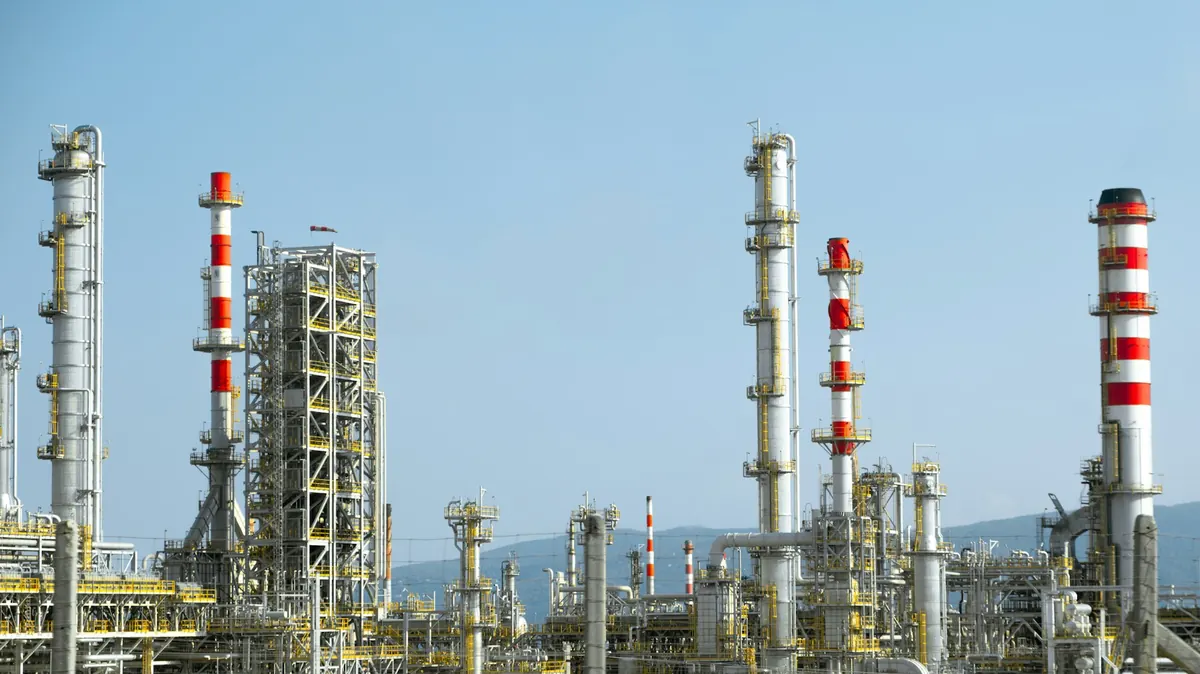
The UK's Energy system is changing: more Solar, wind and Battery storage, more Heat Pumps and heat networks, more EV charging, and a grid working harder than ever to connect it all. That work needs people who can design, commission, maintain and keep complex equipment safe, which is exactly what engineers and technicians from process plant, oil and gas, steel and chemicals have been doing for decades.
Darren is making the same move himself, from forty years in hazardous industry into Energy. This is the guide he'd give a colleague.
What you already bring
- Instrumentation and control: measurement, control loops, PLCs and SCADA. Battery sites, heat networks and grid assets are full of them.
- Electrical discipline: isolation, earthing, protection, testing and inspection.
- Safe systems of work: permits to work, risk assessment, method statements, and the habit of stopping when something isn't right.
- Commissioning and handover: proving a system works, recording it, and handing it over properly. In domestic and commercial Energy, this is where quality is often lost.
- Hazard thinking: hazard studies, safety-critical systems, and the instinct to ask "what happens when it fails?"
- Documentation and change control: drawings, records and management of change.
- Fault finding on real equipment, under pressure.
Where it's needed
- Battery energy storage: grid-scale sites and commercial systems. Control, protection, fire safety and commissioning.
- Solar: from farms to commercial and domestic rooftops. Design, installation, testing and maintenance.
- Heat Pumps and heat networks: design, controls, commissioning and fault finding.
- EV charging: sites, depots and homes. Supply capacity, protection and maintenance.
- Grid and connections: substations, metering and protection.
- Energy management in industry: metering, monitoring and efficiency, the work Saving Energy Consultants Ltd was set up to do.
What's different
- Scale and setting. A house or an office is not a refinery. The principles carry over; the regulations, the customers and the way work is won are different.
- DC and Batteries. If your background is AC process plant, DC isolation and Battery hazards such as thermal runaway need proper learning, not assumptions.
- Certification and building rules. Small-scale installations come with their own installer certification schemes and building regulations. Check what the work you want requires; it changes.
- Network connection rules. Connecting generation or storage to the grid has its own process and paperwork.
- Building physics. Heat Pumps only work well when the heat loss, the radiators and the Insulation are right. That's a different discipline from process heating.
How to make the move
- Map your skills to one area. Pick the part of Energy closest to what you already do. Instrument and control people often fit Battery storage and heat networks; electrical people fit Solar, EV charging and grid work.
- Close the gap, not the whole field. Find the specific courses or certifications that area asks for, from recognised providers, and check what employers actually list in their adverts before you pay for anything.
- If you work offshore, look at the Energy Skills Passport: an industry-led scheme from RenewableUK and Offshore Energies UK, backed by the UK and Scottish Governments, that shows oil and gas workers which offshore wind roles suit them and the training each one needs (GOV.UK).
- Join a professional body in Energy. The Energy Institute is one; there are others. Events, continuing professional development and the people you meet there are worth as much as the letters.
- Talk to people doing the job. LinkedIn is the fastest way in. Ask what they wish they'd known.
- Look at real roles. SEE Recruitment lists Energy and Engineering roles, every advert read by an Engineer, free for candidates, always. See also Find work.
Use AI to learn the new material fast, and check it the way a Technical Authority would: the seven checks. Other routes in: Ways into Net Zero work.
Written by Darren Emery M.Sc., Senior Instrument Engineer and Technical Authority. Facts last checked 14 October 2026.
A question we haven't answered?
Email darren@savingenergy.com. A person reads every message: Darren.